
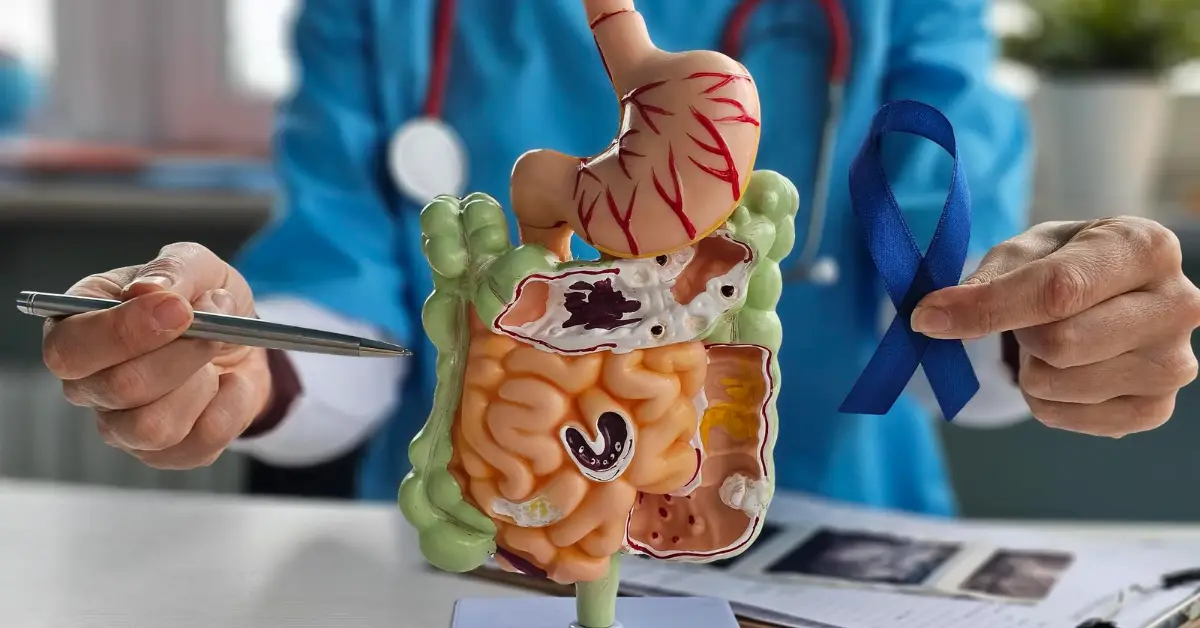
Gastrointestinal Oncology (Cancer Care) focuses on diagnosing, treating, and managing cancers of the digestive system with precision and purpose. These cancers often progress silently, making expert intervention critical for survival and long-term quality of life. Modern treatment is no longer about a single procedure—it’s about timing, accuracy, and collaboration. With advanced surgical techniques, data-driven planning, and patient-first execution, care today is more targeted, less invasive, and outcome-focused. Early intervention combined with specialized oncology expertise significantly improves recovery rates, reduces complications, and supports long-term remission while maintaining digestive function and overall well-being.
Gastrointestinal cancer care addresses malignancies affecting the digestive tract and associated organs. Treatment is customized based on cancer type, stage, location, and patient health.
Surgical resection remains the cornerstone of curative gastrointestinal cancer treatment when tumors are localized or operable.
Every surgical decision is based on imaging, pathology, and evidence-based oncology protocols—not guesswork.
Cancer doesn’t respect departments, so treatment shouldn’t either. A multidisciplinary approach ensures every angle is covered.
This team-based strategy eliminates fragmented care and replaces it with clarity, speed, and precision.
Lymph node involvement is a critical predictor of cancer spread and survival outcomes in gastrointestinal cancers.
Lymph node mapping and selective dissection are performed using advanced imaging and oncologic standards.
Early and accurate diagnosis changes everything.
No two cancers behave the same—even in the same organ.
Personalization is what turns treatment into outcomes—not just procedures.
Preparation directly impacts recovery and results.
Preparation is proactive—not optional.
Cancer care doesn’t end after surgery or chemotherapy.
After care protects results and restores life quality.
Waiting is the enemy. Action saves lives.
Gastrointestinal Oncology (Cancer Care) is no longer about isolated treatments—it’s about precision, teamwork, and long-term outcomes. With comprehensive resection, multidisciplinary collaboration, and expert lymphadenectomy, cancer treatment becomes strategic instead of reactive. Modern care focuses on curing where possible, controlling where necessary, and always prioritizing patient dignity and recovery. When managed by experienced oncology teams using evidence-based protocols, outcomes improve dramatically. Early diagnosis, structured care pathways, and continuous follow-up create a system where patients don’t just survive—they regain control, confidence, and quality of life after cancer treatment.
Symptoms may include persistent abdominal pain, unexplained weight loss, changes in bowel habits, blood in stool, difficulty swallowing, or ongoing indigestion. These signs don’t always mean cancer, but ignoring them delays diagnosis. Early evaluation allows timely intervention and significantly improves treatment success and survival outcomes.
Not always. Treatment depends on cancer stage and location. Early-stage cancers may require surgery alone, while advanced cases often combine surgery with chemotherapy or radiation. Some cancers respond well to non-surgical therapies. A multidisciplinary team decides the most effective approach for each individual case.
Recovery varies by procedure and patient health. Most patients resume basic activities within weeks, while full recovery may take a few months. Proper nutrition, follow-up care, and physical activity significantly speed healing. Minimally invasive techniques often result in faster recovery and fewer complications.
Dr. U. P. Srinivasan provides expert surgical care in gastroenterology and advanced laparoscopic procedures, offering accurate diagnosis, personalized treatment planning, and minimally invasive solutions designed to support faster recovery and long-term digestive wellness.