
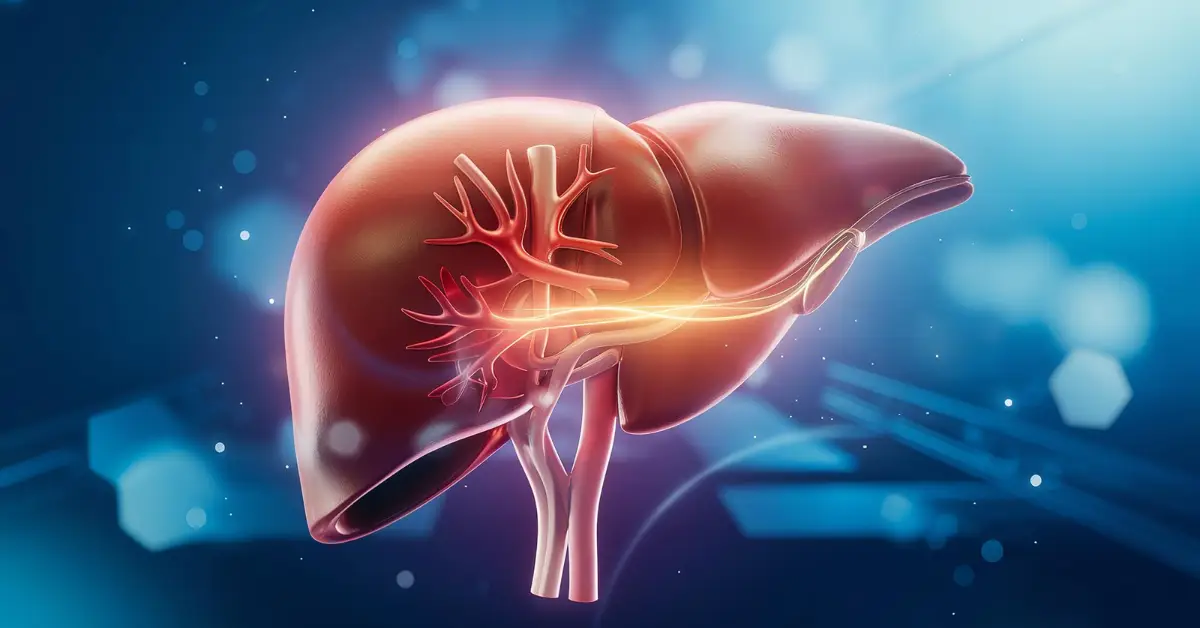
Liver, Pancreas & Biliary Health is the backbone of digestion, detoxification, metabolism, and hormonal balance. When these systems work in sync, your body runs smooth. When they don’t, problems show up fast—fatigue, digestive issues, unexplained pain, and metabolic disorders. This page breaks down how these organs function, the most common conditions affecting them, and how modern, evidence-based care keeps them healthy. No jargon overload. No outdated advice. Just clinically accurate, patient-friendly guidance built for long-term wellness and early intervention.
The liver is your body’s hardest-working organ. It filters toxins, processes nutrients, regulates blood sugar, and supports immunity. When liver health drops, the entire system feels it.
The biliary system manages bile flow from the liver to the intestine. When bile movement is blocked or disrupted, digestion suffers and pain escalates quickly.
The pancreas controls digestion and blood sugar—two systems you can’t afford to ignore. Pancreatic conditions often progress silently until symptoms become severe.
Preparing your body before evaluation or treatment improves outcomes and reduces complications.
Recovery doesn’t end after treatment—it starts there.
Maintaining Liver, Pancreas & Biliary Health is not optional—it’s foundational to long-term wellbeing. These organs silently power digestion, metabolism, detoxification, and energy regulation. Ignoring early symptoms or delaying care can lead to complex complications that are harder to reverse. With timely diagnosis, smart lifestyle changes, and structured medical care, most conditions can be controlled or even reversed in early stages. Think preventive, not reactive. Your future health depends on the decisions you make today.
Early-stage liver and pancreatic conditions often improve with strict lifestyle correction, medical supervision, and diet changes. Fatty liver and mild pancreatic inflammation respond well to alcohol avoidance, weight management, and metabolic control. Advanced conditions may need long-term medical support, but early intervention significantly improves outcomes.
Not always. Many gallstones remain silent and don’t need treatment. Problems arise when stones block bile flow or cause infection, pain, or inflammation. Symptomatic gallstones require timely medical evaluation to prevent complications like biliary infection or pancreatitis.
People with diabetes, obesity, alcohol use, family history, or digestive symptoms should undergo periodic screening. Routine blood tests and ultrasound scans help detect early changes before symptoms become severe, allowing preventive care instead of emergency treatment.
Book an appointment with Dr. U. P. Srinivasan for expert gastroenterology and advanced laparoscopic care. Receive accurate diagnosis, personalized treatment guidance, and minimally invasive solutions designed for faster recovery and long-term digestive wellness.