
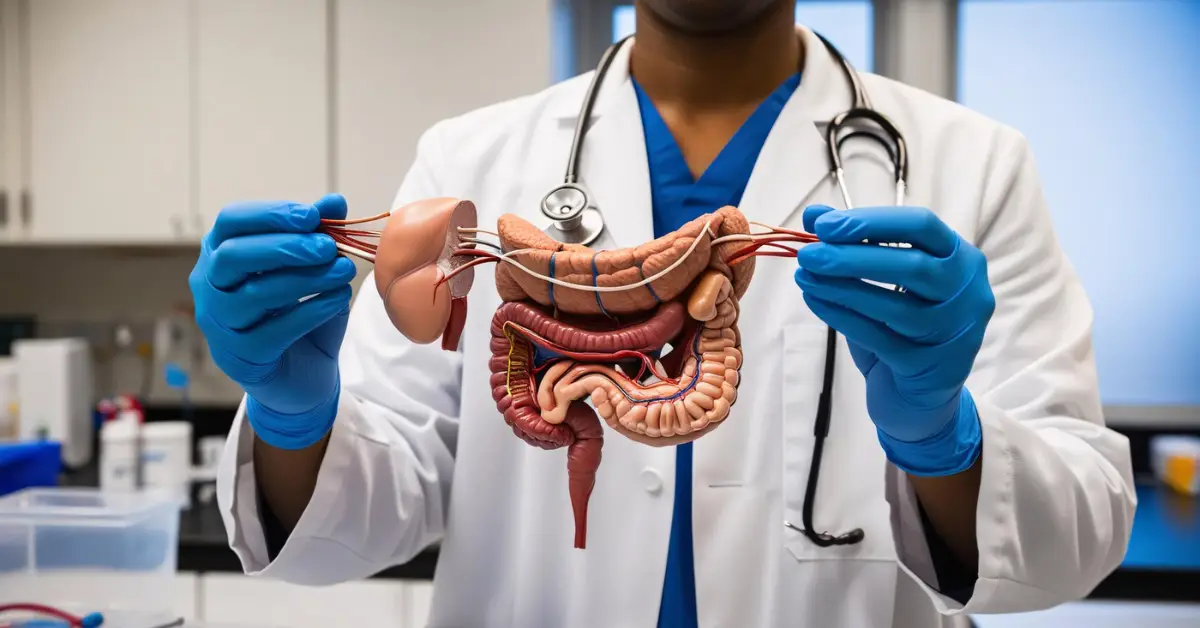
Colorectal & Proctology

Comprehensive Colorectal & Proctology services for piles, fissures, fistula, and colon disorders with advanced, patient-focused treatment options.
Colorectal & Proctology

Colorectal & Proctology focuses on diagnosing, treating, and managing conditions of the colon, rectum, anus, and pelvic floor with precision and care. Digestive and bowel health directly impact daily comfort, confidence, and long-term wellness, yet symptoms are often ignored due to hesitation or misinformation. Modern medical advancements now make treatment safer, faster, and less invasive than ever before. With early diagnosis, evidence-based protocols, and patient-centric care, even complex colorectal and proctological conditions can be managed effectively. This specialty combines advanced diagnostics, minimally invasive techniques, and compassionate support to restore normal bowel function, reduce discomfort, and improve quality of life without unnecessary delays or fear.

Colorectal Cancers

Colorectal cancers affect the large intestine and rectum and often develop silently before symptoms become obvious. Early detection is the real game-changer here.

Key Aspects of Colorectal Cancer Care include:

  • Comprehensive risk assessment based on age, family history, and lifestyle
  • Advanced screening methods such as colonoscopy and imaging
  • Accurate staging to determine cancer spread and treatment planning
  • Minimally invasive surgical options whenever feasible
  • Organ-preserving techniques to maintain bowel function
  • Coordinated care involving surgery, oncology, and nutrition

Common Warning Signs you should Never ignore:

  • Persistent change in bowel habits
  • Blood in stools or dark, tarry stools
  • Unexplained weight loss
  • Chronic abdominal pain or bloating
  • Fatigue linked to anemia

Treatment Approach Focuses on:

  • Complete tumor removal with safe margins
  • Lymph node evaluation for accurate staging
  • Faster recovery using laparoscopic or robotic techniques
  • Post-treatment surveillance to prevent recurrence

Early action equals better survival rates. Waiting doesn’t make it disappear—it just makes it harder.

Inflammatory Bowel Disease (IBD)

IBD is not just “stomach trouble.” It’s a chronic inflammatory condition that requires long-term strategy, not quick fixes.

IBD mainly includes:

  • Crohn’s disease
  • Ulcerative colitis

Core Symptoms Include:

  • Chronic diarrhea
  • Abdominal cramps
  • Blood or mucus in stools
  • Fatigue and nutritional deficiencies
  • Weight loss and reduced appetite

Advanced IBD management focuses on:

  • Precise diagnosis using endoscopy and imaging
  • Disease severity classification
  • Medication optimization to control inflammation
  • Nutritional therapy to prevent deficiencies
  • Monitoring for complications like strictures or fistulas

When Surgery Becomes Necessary:

  • Failure of medical therapy
  • Intestinal obstruction
  • Severe bleeding
  • Cancer risk due to long-standing inflammation

Goals of Treatment:

  • Long-term remission
  • Reduced flare-ups
  • Preservation of bowel length
  • Improved daily functioning

IBD care isn’t about “just managing symptoms.” It’s about giving patients their life back.

Advanced Proctology

Proctology deals with conditions that are common—but rarely talked about. Silence delays care. Modern treatment ends the stigma.

Conditions Treated under Advanced Proctology Include:

  • Piles (hemorrhoids)
  • Anal fissures
  • Anal fistulas
  • Pilonidal sinus
  • Rectal prolapse
  • Chronic constipation disorders

Modern Proctology Techniques Offer:

  • Laser-assisted procedures
  • Minimal pain and bleeding
  • Short hospital stay or day-care surgery
  • Faster healing and early return to work
  • Reduced recurrence rates

Why Advanced Techniques Matter:

  • Traditional surgeries often meant pain and long recovery
  • Newer approaches focus on precision and tissue preservation
  • Better outcomes with less disruption to daily life

Patient-first Benefits Include:

  • Discreet consultations
  • Individualized treatment plans
  • Clear post-procedure guidance
  • Long-term symptom relief

Bottom line: these problems are treatable. Suffering silently is optional now.

Before Care

Proper preparation improves outcomes and recovery.

Before Treatment, Patients Typically Receive:

  • Detailed clinical evaluation
  • Diagnostic tests such as colonoscopy or imaging
  • Medication review and optimization
  • Dietary guidance to prepare the bowel
  • Clear explanation of procedures and recovery expectations

Patient Preparation Includes:

  • Following bowel preparation instructions
  • Temporary dietary adjustments
  • Medication compliance
  • Addressing concerns openly with the care team

Preparation is not just medical—it’s mental clarity and confidence.

After Care

Recovery doesn’t end when treatment does. Aftercare locks in results.

Post-treatment Care Focuses on:

  • Pain control and wound care
  • Gradual return to normal diet
  • Bowel habit regulation
  • Infection and complication prevention
  • Scheduled follow-ups and monitoring

Long-term Care Includes:

  • Lifestyle guidance
  • Nutrition support
  • Preventive screenings
  • Recurrence prevention strategies

Smart aftercare = fewer setbacks and better long-term health.

Conclusion

Colorectal & Proctology care has evolved beyond fear, pain, and prolonged recovery. With advanced diagnostics, minimally invasive procedures, and holistic patient support, even complex colorectal and proctological conditions can be treated effectively and safely. Early evaluation, precise intervention, and structured follow-up are the pillars of successful outcomes. Whether dealing with chronic inflammation, cancer, or common anorectal conditions, timely care leads to faster recovery and improved quality of life. Ignoring symptoms is outdated. Proactive treatment is the new standard—and it works.

Frequently Asked Questions

Common questions about Colorectal & Proctology and our services

If you experience persistent bowel changes, bleeding, pain during defecation, unexplained weight loss, or chronic digestive discomfort, consultation should not be delayed. Early evaluation allows accurate diagnosis and simpler treatment options. Ignoring symptoms often leads to complications that require more intensive intervention later.

Modern proctology treatments are designed to minimize pain. Advanced laser and minimally invasive techniques significantly reduce discomfort, bleeding, and recovery time. Most procedures allow patients to return to daily activities quickly, making treatment far more manageable than traditional surgical methods.

Yes. Follow-up ensures proper healing, prevents recurrence, and monitors for complications. Conditions like colorectal cancer or IBD especially require structured surveillance. Regular reviews help maintain long-term health and catch issues early, when they are easiest to treat.

Related Blogs

No data was found

Need Medical Assistance? Book an Appointment Now!

Take the first step toward better digestive health. Book an appointment with Dr. U. P. Srinivasan for expert consultation, accurate diagnosis, and advanced minimally invasive treatment designed for faster recovery and long-term wellness.