
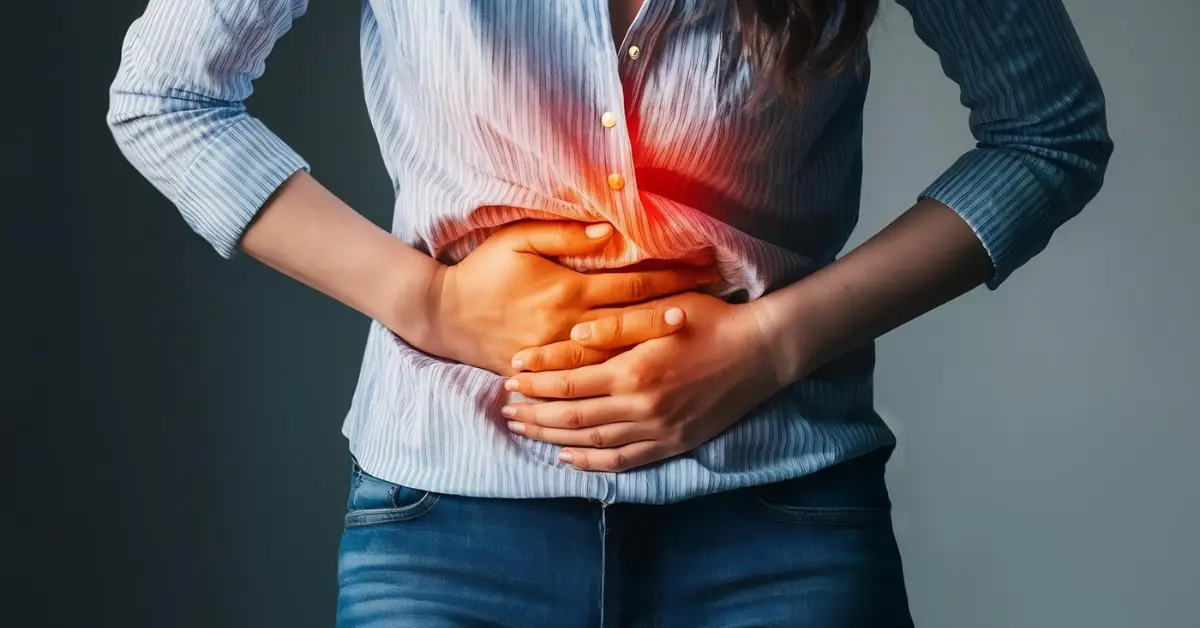
Upper Gastrointestinal Disorders

Upper gastrointestinal disorders, like GERD and ulcers, affect digestion. Early diagnosis and treatment prevent complications and improve quality of life.
Upper Gastrointestinal Disorders

Upper Gastrointestinal Disorders are becoming a low-key epidemic thanks to stress, erratic food habits, late-night eating, caffeine overload, and zero chill lifestyles. These conditions affect the upper part of the digestive tract—mainly the esophagus, stomach, and duodenum—and can seriously mess with your quality of life if ignored. From constant heartburn to difficulty swallowing or persistent stomach pain, these symptoms are your body’s way of saying “fix this now.” Early diagnosis, lifestyle upgrades, and expert care can prevent long-term complications and keep your digestion running smooth instead of chaotic.

Gastroesophageal Reflux Disease (GERD)

Gastroesophageal Reflux Disease is one of the most common Upper Gastrointestinal Disorders, and yes—it’s more than just “acid issues.”

What actually happens

  • Acid from the stomach flows back into the esophagus
  • Weak lower esophageal sphincter fails to block reflux
  • Repeated exposure damages the esophageal lining

Common symptoms

  • Burning chest sensation (heartburn)
  • Sour or bitter taste in the mouth
  • Chronic cough or throat irritation
  • Chest discomfort after meals
  • Difficulty sleeping due to nighttime reflux

Why GERD shouldn’t be ignored

  • Long-term inflammation of the esophagus
  • Risk of strictures (narrowing)
  • Increased chance of Barrett’s esophagus
  • Reduced daily productivity and sleep quality

How GERD is managed

  • Acid-suppressing medications
  • Lifestyle and diet correction
  • Weight management
  • Endoscopic evaluation if symptoms persist
  • Surgical intervention in severe or resistant cases

Achalasia Cardia

Achalasia Cardia is a rare but serious condition under Upper Gastrointestinal Disorders that affects swallowing mechanics.

What goes wrong

  • Esophagus loses normal muscle movement
  • Lower esophageal sphincter fails to relax
  • Food gets stuck instead of moving to the stomach

Key symptoms

  • Progressive difficulty swallowing solids and liquids
  • Regurgitation of undigested food
  • Chest pain unrelated to heart issues
  • Unintentional weight loss
  • Night-time coughing or choking

Why early diagnosis matters

  • Prevents severe esophageal dilation
  • Reduces risk of aspiration pneumonia
  • Improves nutrition and quality of life

Treatment options

  • Balloon dilation of the esophageal sphincter
  • Minimally invasive surgical procedures
  • Endoscopic therapies for symptom control
  • Long-term follow-up to monitor progression

Achalasia isn’t lifestyle-related—but ignoring symptoms can cause major damage. Timing is everything.

Peptic Ulcers & Gastric Outlet Obstruction

These conditions fall under Upper Gastrointestinal Disorders that directly affect the stomach and duodenum.

Peptic Ulcers

What causes them

  • Helicobacter pylori infection
  • Overuse of painkillers (NSAIDs)
  • Smoking and alcohol
  • Severe physiological stress

Symptoms

  • Burning or gnawing stomach pain
  • Pain worsening on an empty stomach
  • Nausea or bloating
  • Black stools or vomiting blood in severe cases

Why ulcers are dangerous

  • Internal bleeding
  • Perforation of the stomach wall
  • Infection spread into the abdomen

Gastric Outlet Obstruction

What it means

  • Blockage at the stomach’s exit into the small intestine
  • Often a complication of long-standing ulcers or tumors

Symptoms

  • Persistent vomiting
  • Early fullness after eating
  • Severe dehydration
  • Weight loss and malnutrition

Management approach

  • Endoscopic evaluation
  • Medications to reduce acid and inflammation
  • Surgical correction if obstruction persists
  • Nutritional support during recovery

Before Care: What Patients Should Do

Before starting treatment for Upper Gastrointestinal Disorders, preparation matters.

  • Report all symptoms honestly, even if they seem minor
  • Avoid alcohol, smoking, and late-night meals
  • Stop self-medicating with painkillers
  • Follow fasting instructions before diagnostic procedures
  • Maintain a symptom diary for accuracy

Being proactive shortens diagnosis time and improves outcomes.

After Care: Long-Term Digestive Protection

Post-treatment care is non-negotiable if you want results to last.

  • Stick to prescribed medications fully
  • Eat smaller, frequent meals
  • Avoid trigger foods like spicy, oily, or acidic items
  • Elevate head while sleeping if reflux is present
  • Manage stress through sleep, exercise, or mindfulness
  • Schedule regular follow-ups for monitoring

Consistency > quick fixes. Digestive health is a long game.

Conclusion

Upper Gastrointestinal Disorders may start with mild discomfort, but ignoring them is a risky move. These conditions can silently escalate into chronic pain, nutritional deficiencies, or life-threatening complications. The good news? Modern diagnostics, minimally invasive treatments, and smarter lifestyle choices can completely change the outcome. If your gut keeps sending warning signals, don’t mute them. Early action equals faster recovery, fewer complications, and a digestive system that actually works with you—not against you.

Frequently Asked Questions

Common questions about Upper Gastrointestinal Disorders and our services

Yes, many upper gastrointestinal disorders are strongly influenced by lifestyle factors such as diet, stress, smoking, alcohol use, and irregular eating habits. While some conditions like achalasia are not lifestyle-driven, habits still affect symptom severity and recovery. Correcting daily routines plays a huge role in long-term management and prevention.

If symptoms like heartburn, swallowing difficulty, vomiting, or stomach pain persist beyond two weeks, worsen over time, or disrupt daily life, medical evaluation is essential. Red flags like weight loss, blood in vomit or stools, or severe chest pain should never be ignored and need immediate attention.

Many upper gastrointestinal disorders can be effectively controlled or fully resolved with early diagnosis, proper treatment, and long-term lifestyle changes. Some conditions require ongoing monitoring, but modern medical and surgical advances allow most patients to live symptom-free with the right care plan.

Related Blogs

Best Hepatologist in K K Nagar

Consult the best hepatologist for expert liver care, advanced diagnostics, and treatment of hepatitis, fatty

Need Medical Assistance? Book an Appointment Now!

Take the first step toward better digestive health. Book an appointment with Dr. U. P. Srinivasan for expert consultation, accurate diagnosis, and advanced minimally invasive treatment designed for faster recovery and long-term wellness.