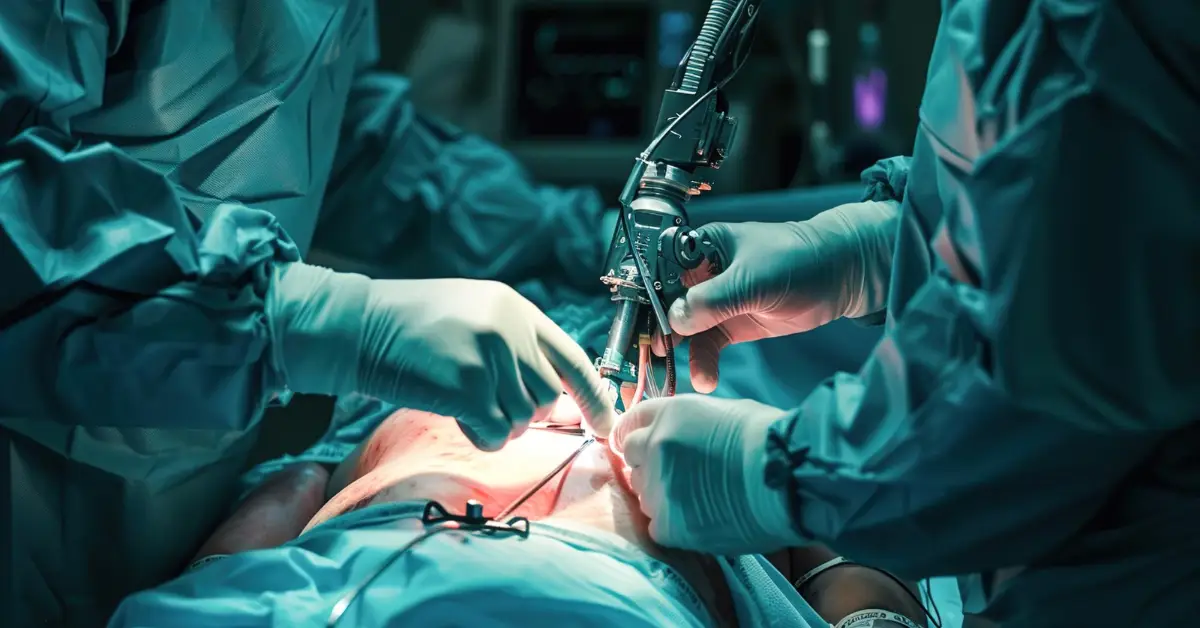
Advanced Laparoscopic (Keyhole) Surgery is redefining modern surgical care by replacing large incisions with precision-driven, minimally invasive techniques. This approach uses tiny cuts, high-definition cameras, and specialized instruments to treat complex conditions with less pain and faster recovery. Patients today don’t want long hospital stays or dramatic scars—and honestly, they shouldn’t have to. This technique aligns perfectly with modern expectations: quicker healing, reduced complications, and better cosmetic outcomes. It’s smart surgery for a fast-moving world, where technology and patient comfort finally meet on the same page.
The core idea behind advanced laparoscopy is simple: maximum results, minimum trauma. Instead of opening up the body, surgeons work through small ports with magnified visuals and micro-precision tools.
Reduced post-operative pain and medication use
Traditional surgery often creates stress on the body—physically and mentally. Minimally invasive methods respect the body’s natural healing ability. Less tissue damage means less inflammation, quicker mobility, and smoother recovery. For patients balancing careers, families, and health, this approach is a game-changer, not a luxury.
Single-incision laparoscopic surgery (SILS) takes minimally invasive care one step further—one hidden incision, usually at the navel.
This technique is not about looks alone—it’s about reducing trauma even further. When done by skilled surgeons, outcomes match or exceed multi-port laparoscopy with added aesthetic benefits.
Re-do laparoscopy is performed when a patient has had previous abdominal surgery and requires another operation in the same area. These cases are more complex due to scar tissue and adhesions.
With expert planning and execution, re-do laparoscopy delivers safe and effective outcomes—even in complex, high-risk cases.
Preparing correctly before surgery directly impacts recovery quality and surgical success.
Good preparation reduces anesthesia risks, minimizes complications, and ensures the surgery proceeds smoothly. Think of it as setting your body up for a clean win.
Recovery after laparoscopic surgery is usually quick—but smart aftercare makes it even smoother.
Patients typically return to work within days—not weeks. Energy levels bounce back faster, and the risk of long-term complications remains low.
Let’s be real—patients today are informed, busy, and value quality of life. Advanced laparoscopic surgery checks all the boxes:
It’s not hype—it’s evolved surgical science doing exactly what it’s supposed to do.
Advanced Laparoscopic (Keyhole) Surgery represents the future of surgical care—efficient, patient-focused, and technology-driven. By minimizing physical trauma while maximizing precision, this approach allows patients to heal faster, move sooner, and live better post-surgery. Whether it’s a first-time procedure, a single-incision approach, or a complex re-do surgery, this technique offers consistent outcomes with fewer complications. In a world where recovery time matters as much as results, this method stands out as the smarter, safer surgical choice.
Yes. With advanced imaging and precision instruments, laparoscopic surgery can safely manage complex cases, including repeat surgeries. Skilled surgeons can navigate scar tissue effectively, reducing risks while maintaining excellent outcomes. Safety is comparable—and often superior—to traditional open surgery when performed by experienced hands.
Most patients resume light activities within a few days and return to work within one to two weeks, depending on the procedure. Since tissue trauma is minimal, pain and fatigue are significantly reduced, allowing quicker physical and mental recovery compared to open surgery.
Scarring is minimal. Incisions are small and often placed in natural skin folds or the navel. Over time, scars fade significantly and are barely noticeable, especially with single-incision techniques that prioritize cosmetic outcomes alongside medical success.
Dr. U. P. Srinivasan provides expert surgical care in gastroenterology and advanced laparoscopic procedures, offering accurate diagnosis, personalized treatment planning, and minimally invasive solutions designed to support faster recovery and long-term digestive wellness.